
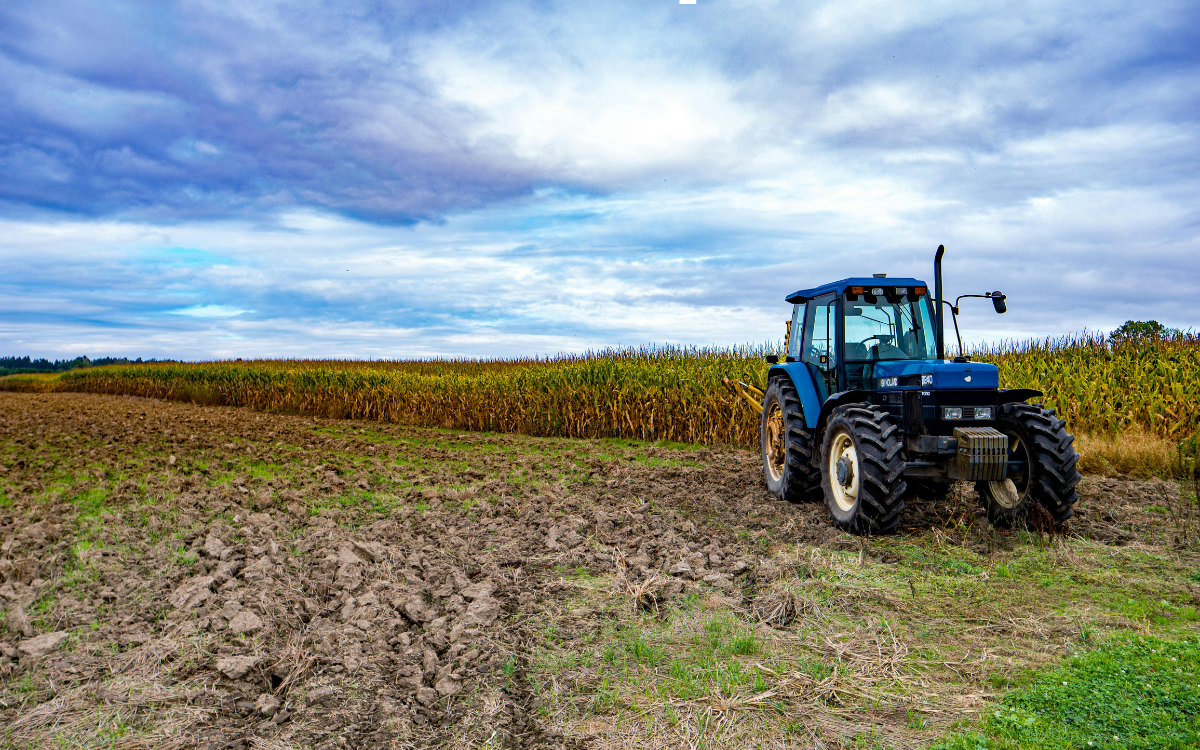
When most people think about real estate values, they picture big city skylines, bustling suburbs, and packed open houses. But for those of us who call Southern Iowa home, property values are shaped by an entirely different set of factors — ones deeply rooted in community, land, and way of life.
Whether you're thinking about buying, selling, or simply curious about what your property is worth, understanding what drives values in small rural communities can make all the difference.
Location Within the Region
Even within rural areas, location matters enormously. In Southern Iowa, proximity to major highways and easy access to nearby towns for groceries, schools, medical facilities, and dining — without sacrificing that rural feel — is a sweet spot many buyers actively seek out.
Properties near lakes, rivers, or public ground also tend to generate stronger interest, particularly among buyers looking for recreational opportunities alongside a place to call home or invest.
The Land Itself
In rural communities, the land is often just as important as — if not more important than — the structures on it. Several land-specific factors drive value across Southern Iowa:
Crop Ground and CSR2 Ratings — Southern Iowa is agricultural country, and the productivity of the soil matters. Crop ground with strong CSR2 ratings consistently commands premium prices, and buyers paying attention to these numbers know exactly what they're looking at.
Timber and Wooded Acreage — Wooded properties are highly desirable for hunting, privacy, and natural beauty. Mature timber can also carry its own income and recreational potential, making it attractive to a wide range of buyers.
Water Features — Properties with ponds, creek frontage, or river access consistently attract strong interest. Water is a major draw for both recreational buyers and those looking to run livestock operations.
Topography and Usable Acreage — Flat, tillable ground is generally the most valuable from a pure agricultural standpoint, but rolling terrain with timber and draws has its own appeal for the hunting and recreational buyer market that is thriving across Southern Iowa.
Road Frontage and Access — A property with good road frontage and easy access is far easier to sell and typically brings a stronger price than landlocked or hard-to-reach parcels.
Local Economy and Employment
Southern Iowa's small towns serve as regional hubs for the communities around them. The presence of stable employers, local businesses, and essential services all contribute to steady housing demand in the area.
When local employment is strong, more people can afford to buy — and that buyer demand keeps property values healthy. Economic stability is a key factor to watch in any small market, and communities that invest in themselves tend to hold their value over time.
School Districts and Community Amenities
Families relocating to rural areas pay close attention to school districts. Strong schools signal a stable, invested community — and that matters to buyers and appraisers alike.
Beyond schools, community amenities like parks, local events, and healthcare access all play a role in how buyers perceive value. A vibrant, tight-knit community is genuinely attractive to people looking to escape urban life, and Southern Iowa's small towns deliver on that front in a big way.
Recreational Appeal
This one is big. Southern Iowa has quietly become one of the Midwest's premier destinations for outdoor recreation, and that identity drives real estate demand in a meaningful way. World-class whitetail deer hunting, turkey, and other game draw buyers from across the region — and many of those out-of-state hunters eventually become landowners.
Recreational properties in Southern Iowa have seen surging demand in recent years. Buyers aren't just coming from Des Moines and Kansas City — they're coming from Chicago, St. Louis, and beyond, looking for a hunting retreat, weekend getaway, or long-term land investment. That outside demand puts upward pressure on land values across the region.
Supply and Demand in a Small Market
One of the most defining characteristics of rural real estate markets is that inventory is limited. There simply aren't that many properties available at any given time in Southern Iowa's smaller communities — and that scarcity can work in a seller's favor when demand is strong.
On the flip side, it also means that when a well-priced, desirable property hits the market, it can move quickly. Buyers who hesitate often lose out, and sellers who price strategically tend to see strong results.
Working With a Local Expert
National real estate platforms and out-of-area agents can tell you a lot of things about a property, but they can't always tell you which fields drain well after a wet spring, which timber tracts hold deer year after year, or what a realistic price per acre looks like in a specific county. That local knowledge is invaluable — and it's exactly what a trusted Southern Iowa agent brings to the table.
At United Country Real Estate Southern Iowa Real Estate, we live and work in this region. We know the land, the market, and the people. Whether you're buying your first home, selling a family farm, or investing in hunting and recreational land, we're here to help you navigate every step of the process.