
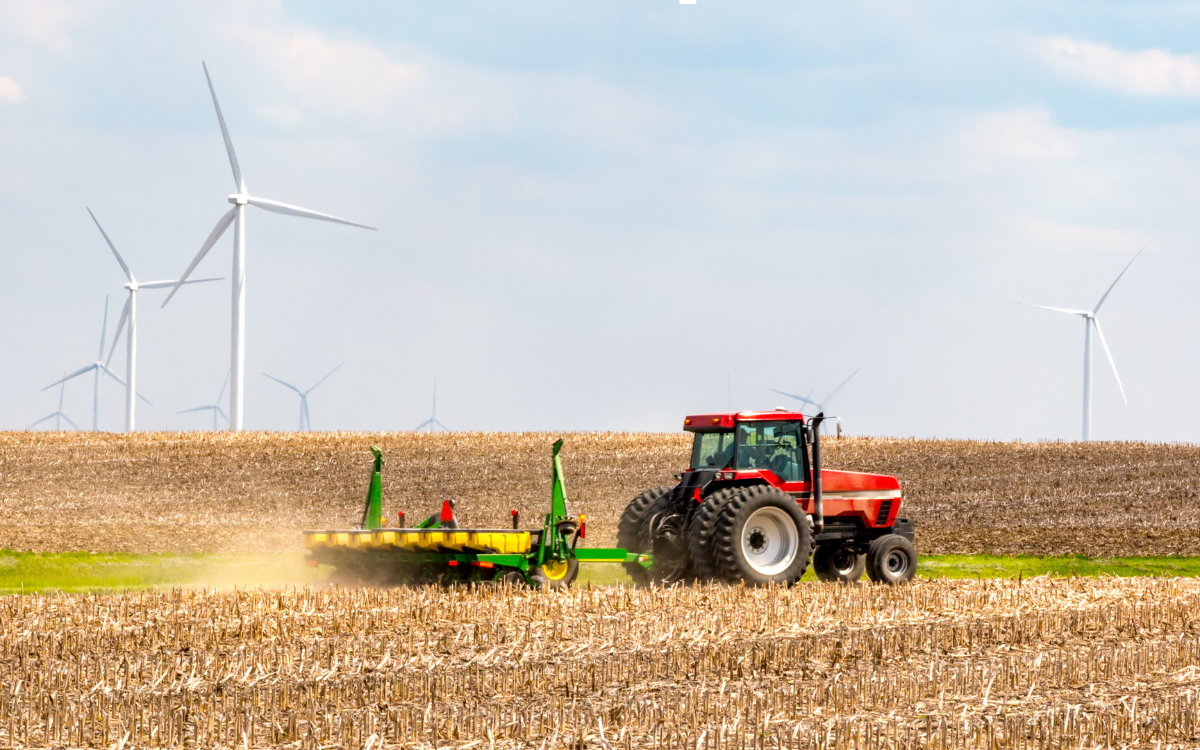
If you own farmland in southern Iowa, you've probably heard of CRP - but you may not know exactly how it works, what it pays, or whether your land qualifies. Here's a straightforward breakdown of everything you need to know.
What Is CRP?
The Conservation Reserve Program (CRP) is a federal land conservation program administered by the USDA Farm Service Agency (FSA). It pays landowners and farmers an annual rental payment in exchange for removing environmentally sensitive land from agricultural production and planting long-term, resource-conserving vegetation like native grasses, wildflowers, and trees.
The goals are simple: reduce soil erosion, improve water quality, and create wildlife habitat. For landowners in southern Iowa, the benefits go well beyond conservation - CRP ground can generate steady, passive income year after year with minimal ongoing effort.
Why CRP Matters in Southern Iowa
Southern Iowa's rolling terrain, creek bottoms, and highly erodible ground make it some of the most CRP-eligible land in the state. Counties like Ringgold, Decatur, Wayne, and Taylor have long had strong CRP participation, and for good reason.
CRP ground in this region often serves double duty - generating annual income while simultaneously creating some of the best whitetail deer and turkey habitat in the Midwest. Thick native grass stands, food sources, and undisturbed cover make CRP tracts incredibly attractive to wildlife, which directly adds to recreational and hunting land value.
For buyers, a property with established CRP enrollment is often worth a premium. For sellers, it's a strong marketing point that sets your land apart.
How Much Does CRP Pay?
CRP rental rates vary by county and soil type, and are set by the FSA based on local agricultural rental rates. In southern Iowa, annual CRP payments typically range from $100 to over $200 per acre, depending on the practice and the ground.
Payments are made annually and are guaranteed for the length of the contract, typically 10 to 15 years, giving landowners reliable, predictable income regardless of commodity prices or weather.
What Land Qualifies for CRP?
Not all ground is eligible. To qualify, land generally must meet one or more of the following criteria:
- Cropland that has been planted to an agricultural commodity in four of the six crop years prior to enrollment
- Highly erodible land with a high risk of soil loss
- Marginal pastureland that can be converted to improve water quality or wildlife habitat
- Land near water such as creek banks, wetlands, or flood-prone areas
The FSA uses an Environmental Benefits Index (EBI) to score and rank applications during signup periods. Higher EBI scores, based on factors like wildlife benefits, water quality, air quality, and enduring benefits, are more likely to be accepted.
How to Enroll Your Land in CRP
Enrolling in CRP is a straightforward process, but it does require working through your local USDA Farm Service Agency office. Here's how it works:
1. Check for an Open Signup CRP enrollment happens during specific signup periods announced by the USDA. There are general signups and continuous signups — continuous signups accept applications year-round for certain high-priority practices like riparian buffers and filter strips.
2. Visit Your Local FSA Office Contact the FSA office in your county to discuss your land's eligibility and the practices that might apply. They'll help you identify which conservation practices make sense for your property.
3. Submit an Offer You'll submit an offer specifying the acres you'd like to enroll, the conservation practice you plan to implement, and the rental rate you're requesting. The FSA will evaluate your offer based on the EBI scoring system.
4. Sign a Contract If your offer is accepted, you'll sign a CRP contract, typically 10 to 15 years. You'll then be required to establish the approved vegetative cover on the enrolled acres.
5. Receive Annual Payments Once the practice is established and approved, you'll receive annual rental payments from the USDA for the duration of your contract.
What Happens When a CRP Contract Expires?
When a CRP contract expires, landowners have several options: re-enroll the ground in a new CRP contract, return it to crop production, or transition it to another use. In southern Iowa, many landowners choose to re-enroll, especially on ground that has developed into productive wildlife habitat, because the combination of passive income and recreational value is hard to beat.
If you're purchasing land with expiring CRP, it's important to understand the re-enrollment timeline and whether the ground is likely to qualify under current signup criteria.
CRP and Land Value in Southern Iowa
One of the most common questions we get from buyers and sellers is how CRP affects land value. The answer depends on the situation, but in general:
- Active CRP contracts provide guaranteed income and are viewed favorably by investors and buyers looking for low-maintenance land
- Established CRP habitat significantly increases recreational and hunting value
- Expiring CRP can be a buying opportunity - ground that was in row crop production before CRP enrollment may qualify for re-enrollment, giving a new buyer immediate income potential
Understanding how to evaluate CRP ground - what it's paying, when the contract expires, and what the re-enrollment potential looks like - is a key part of making a smart land purchase in southern Iowa.
Work With a Local Land Specialist
Navigating CRP, understanding soil ratings, and knowing which properties offer the best long-term value takes more than a quick search online. At Southern Iowa Real Estate, we work with landowners, buyers, and investors every day to help them make informed decisions about farmland, recreational ground, and everything in between.
If you're thinking about enrolling your land in CRP, purchasing CRP ground, or simply want to understand how it might affect the value of a property you're considering - we're here to help.
📞 Contact us today to connect with a local land specialist.