
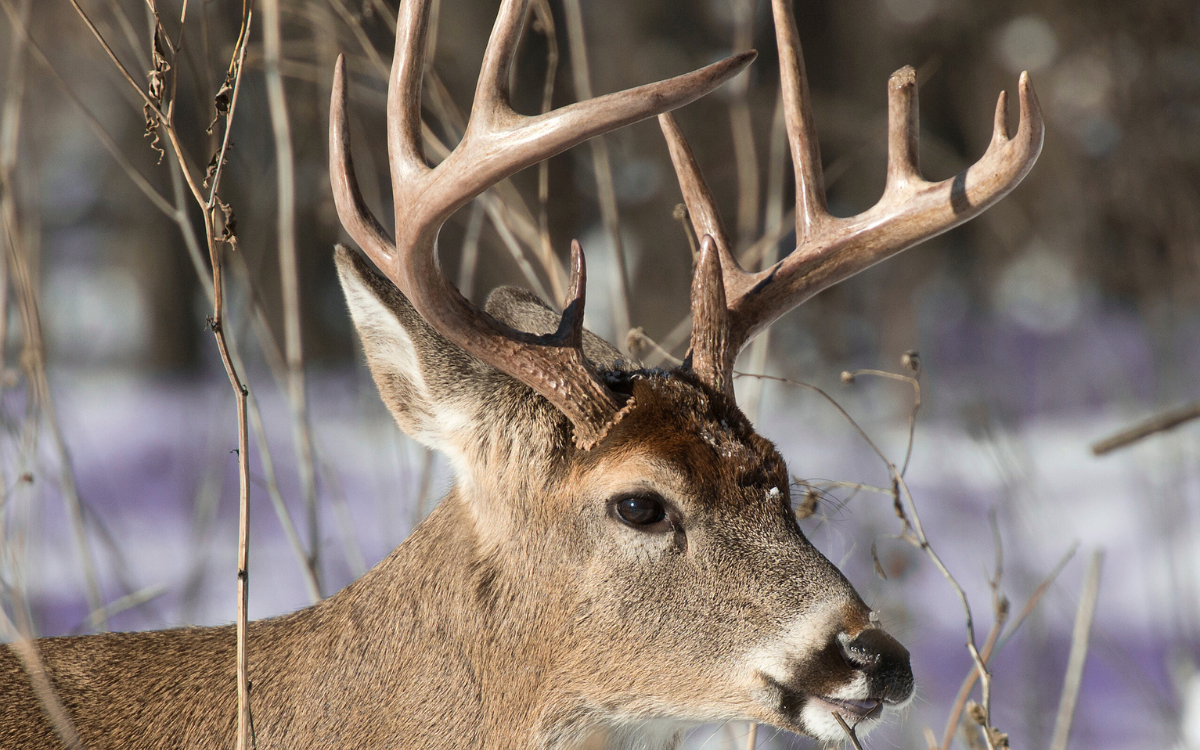
In Southeast Iowa, land conservation is a major factor in shaping both wildlife habitat and long-term land value. With the region known for its strong whitetail deer populations, upland habitat, and productive farmland, conservation-minded properties consistently stand out to buyers seeking hunting, recreational, or investment land.
Why Conservation Matters in Southeast Iowa
The mix of row crop ground, timbered draws, creek bottoms, and CRP throughout Southeast Iowa creates ideal conditions for wildlife. When landowners enhance food sources, improve cover, and protect water access, wildlife use becomes more consistent—adding measurable appeal for buyers focused on hunting quality and land performance.
Conservation Practices That Enhance Habitat and Value
Strategic Food Plot and CRP Management
Incorporating food plots alongside existing row crop or CRP acres helps provide year-round nutrition while improving daylight wildlife movement across the property.
Timber Stand Improvement and Edge Habitat
Selective timber work and edge feathering create better bedding areas and travel corridors, key components for attracting and holding wildlife in Iowa’s agricultural landscape.
Water and Drainage Management
Maintaining creeks, waterways, and ponds not only supports wildlife but also protects soil health and overall land productivity.
Trail Systems and Controlled Access
Thoughtfully designed access routes allow landowners to manage and hunt the property efficiently while minimizing disturbance to core habitat areas.
Invasive Species and Habitat Balance
Controlling invasive species and encouraging native grasses and forbs improves habitat quality and enhances the visual and functional appeal of the land.
Why Buyers Value Conservation-Focused Land
Buyers in Southeast Iowa are increasingly seeking properties that are already managed and optimized for wildlife and long-term stewardship. Land with established conservation practices often attracts more interest, stronger offers, and sustained value in a competitive land market.